What to expect
Defining roles
When selecting concrete products, you may have specific priorities based on your role. Our products are designed to map to the needs of the designer, contractor and owner. To understand where you fit, we’ve defined what we mean by these terms below. (You may find yourself in more than one of these groups.)
Designer
Architects, landscape designers, and other professionals or individuals responsible for planning spatial layouts and specifying materials.
Focus: Overall composition, proportion, alignment, and how individual elements integrate into a coherent spatial and visual system.
Contractor
Paving contractors, pool installers, landscapers, and other trades responsible for executing the work on site.
Focus: Buildability, speed of installation, dimensional reliability, repeatability, and minimising on-site cutting, rework, and risk.
Owner
Homeowners, property owners, or asset managers who make the final decisions about materials and finishes for a space.
Focus: Long-term durability, safety, ease of use, visual longevity, and how the space performs for the people who actually use it, including family members, visitors, customers, and the public.
This page shows what to expect grouped by features, with benefits below each feature listed for all the roles. To see the same information grouped by role, visit the For you page.
Modularity
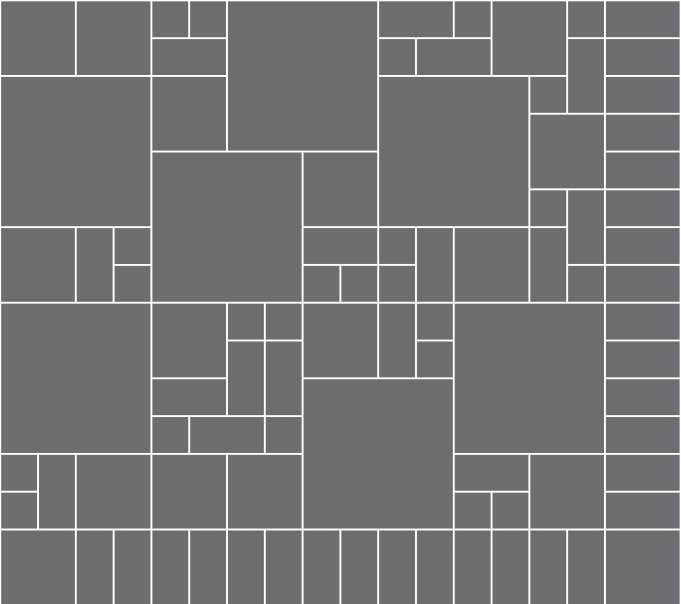
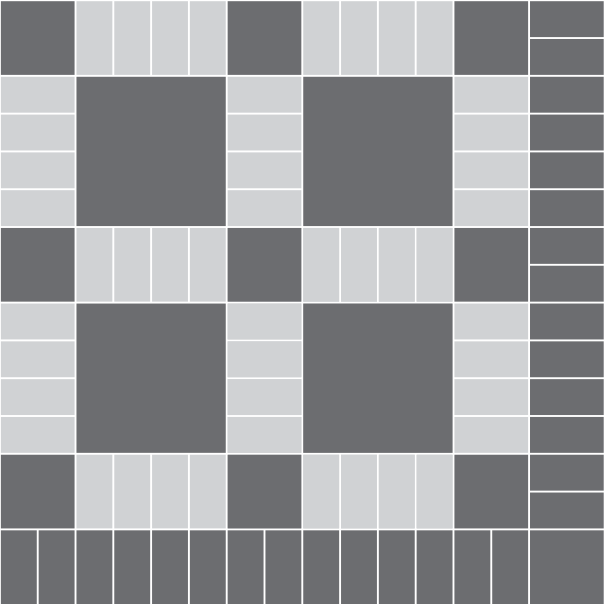
Modularity refers to products designed as a coordinated system of standardised units whose dimensions relate to one another as simple multiples, with grout lines accounted for in the overall measurements. The geometry and interfaces are resolved upfront, so units align, repeat, and scale predictably without on-site adjustment.
For the designer

- Enables coherent systems rather than isolated elements
- Predictable dimensions simplify specification and detailing
- Allows scalable layouts and repeatable design logic
Ask us for CAD drawings and sample layout sheets
For the contractor
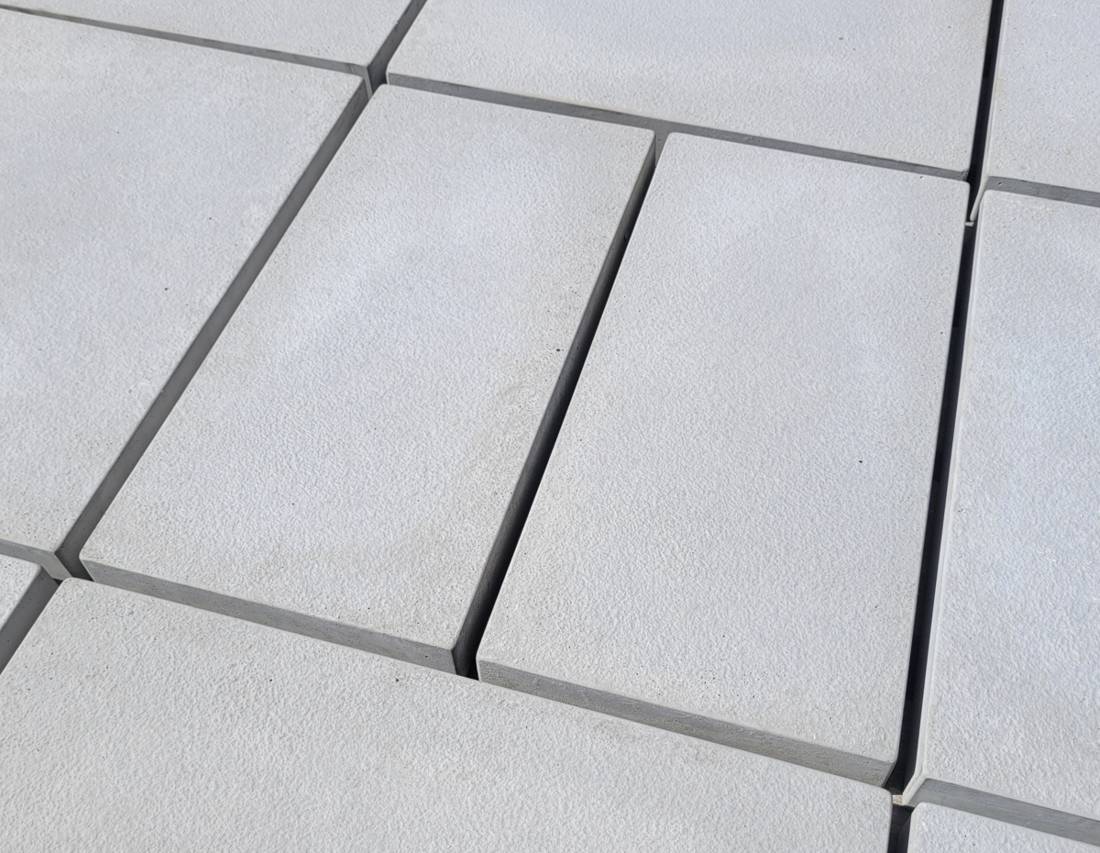
- Standardised modular units with consistent joint spacing → faster setting out and installation, with grout lines that stay even
- Reduced need for cutting, lifting, and re-positioning on site → smoother and faster workflow, and a more professional finished result
- Modules that work together without ad-hoc adjustment → a more stable installation with fewer corrections during laying
For the owner
- Shorter installation time and less disruption
- Neater visual result across larger areas
- Easier future repairs or extensions
Precision casting
Precision casting refers to the production of concrete elements to tight dimensional tolerances, so that finished products closely match their specified dimensions, even at lengths exceeding one metre. Dimensional variation is minimised through controlled production processes and the use of exceptionally well-made moulds, resulting in consistent, repeatable outcomes.
For the designer
- Confidence that specified dimensions are achieved in the finished product
- Reliable detailing at junctions, edges, and interfaces with other materials
- Reduced need to compensate for dimensional variation in design
For the contractor
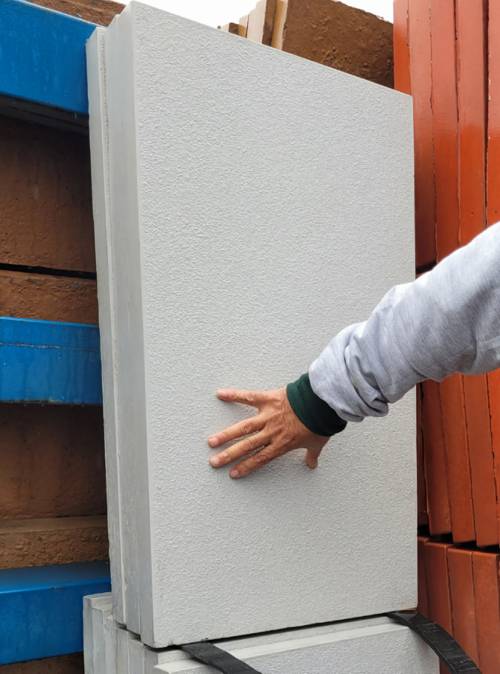
- Finished elements match specified sizes with negligible variation, even at larger formats
- Minimal on-site adjustment to make pieces fit together accurately
- Faster, more predictable installation with a professional, precision finish
For the owner
- A refined and consistent appearance across large areas
- Fewer visible irregularities or visual distractions over time
- Confidence that the installed result matches what was approved or selected
High-performance concrete
High-performance concrete refers to concrete specifically engineered to deliver higher strength, durability, and reliability than conventional concrete. Through controlled mix design, quality materials, and consistent curing, it resists damage, wear, and environmental stress more effectively, resulting in longer service life and more predictable performance.
For the designer
- Ability to specify thinner, larger, or more demanding elements with confidence
- Predictable performance supports design intent in exposed or high-wear applications
- Reduced need to over-design to compensate for material uncertainty
For the contractor
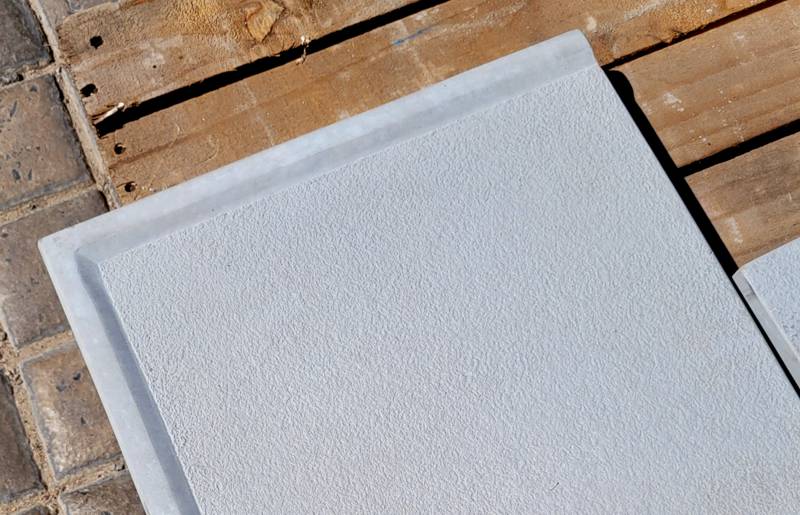
- Higher strength and durability reduce breakage during handling and installation
- Greater resistance to chipping, cracking, and edge damage on site
- More robust finished work with fewer callbacks or remedial fixes
For the owner
- Longer service life with less visible wear over time
- Better resistance to damage from traffic, weather, and daily use
- Lower maintenance and repair needs over the life of the installation
Responsive design
Responsive design refers to our ability to develop additional modules or product variants in response to specific customer or project requirements, while maintaining compatibility with the existing modular system. Read more
For the designer
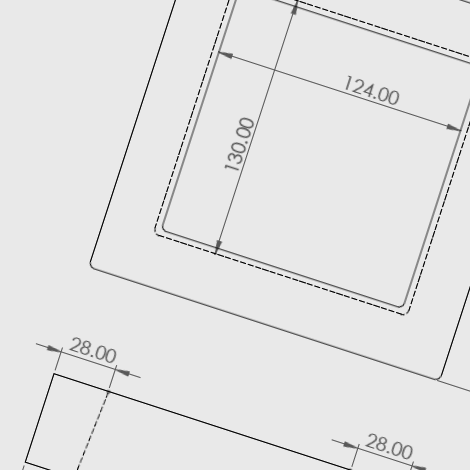
- Ability to specify a system that can adapt to project-specific requirements without breaking its underlying logic
- Confidence that additional modules or variants will integrate with existing elements
- Greater long-term viability when specifying the system across multiple projects
For the contractor
- Availability of compatible modules or variants to resolve site-specific issues
- Reduced need for on-site improvisation or workarounds
- Smoother installation when project requirements fall outside standard layouts
For the owner
- Ability to pursue solutions beyond the standard range when a project genuinely requires it
- Confidence that special or one-off requirements can be executed properly rather than improvised
- Willingness to engage with unique or high-end needs where there is a clear value case
